Hail Roof Leak Water Damage in Wheat Ridge, CO
Hail bruises shingles in seconds, but the leak that follows can take weeks to show. The mitigation crew works inside, drying wet attic insulation, ceilings and wall tops after a Wheat Ridge hailstorm.
(888) 532-8620Dry a Wheat Ridge hail leak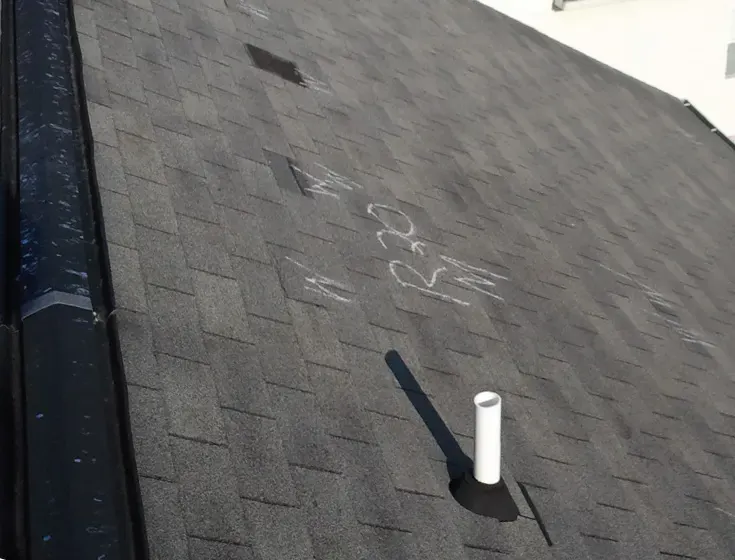
Hail that damages a roof does not always leak right away. Bruised shingles and cracked seals let rain through weeks later, and by the time a ceiling stains, the attic insulation has been soaking for a while.
First steps for hail roof leak water damage in Wheat Ridge
- 1
Protect the room
Put buckets under drips, move furniture and cover what cannot move.
- 2
Stay clear of the ceiling
Keep out from under sagging drywall and switch off lights in wet rooms.
- 3
Photograph the stains
Capture the ceiling, the attic if it is safe, and any roof damage visible from the ground.
- 4
Call and tarp
Ask a roofer to tarp the roof, then call the drying crew for the inside.
What does hail roof leak water damage cost in Wheat Ridge, CO?
Hail roof leak water damage cleanup in Wheat Ridge, CO typically runs $1,000 to $9,000 for the interior work, depending on how much attic insulation got wet, how many ceilings open, the material class and how long the leak ran.
Small attic leak
- Wet insulation removed
- Ceiling check
- Air movers
Several rooms below
- Ceiling openings
- Wall top drying
- Dehumidifier days
Wide attic saturation
- Large insulation removal
- Multiple ceilings
- Extended drying
Ranges are typical, not a quote: category of water, square footage, material class and how fast drying started move the number most. Run the water damage cost calculator for a closer range.
How hail roof leak water damage is handled in Wheat Ridge
The tech who does the walkthrough maps moisture before any equipment goes down, so the drying plan matches what is actually wet. Equipment stays until the readings say dry, not until it looks dry.
Meter the ceilings
Moisture meters and a thermal camera mark where the water traveled.
Pull the wet material
Soaked insulation is removed and saturated drywall opened.
Dry the framing
Air movers and dehumidifiers run on joists, sheathing and wall tops.
Confirm and close
Readings must reach the dry reference before the ceiling goes back.
Hailstorms Wheat Ridge has already seen
The May 8, 2017 storm dropped baseball-size hail on Wheat Ridge along with Golden, Lakewood and northwest Denver, and the July 11, 1990 storm hit the east side of the city hard. Roofs that took hits like those can leak long after the storm, and the water often shows first as a ceiling stain.
- Attic insulation soaks and holds water against the drywall below.
- Water follows roof penetrations such as vent pipes into wall tops.
- Stains appear in the ceiling after the water has already spread.
What the mitigation team does inside
The crew checks the attic and ceilings with a moisture meter and thermal camera, removes wet insulation and opens ceiling drywall only where it is saturated. Air movers and dehumidifiers then dry the framing. Roofers handle the outside while the interior team handles the water already in the house.
- Wet insulation bagged and removed from the attic floor.
- Sagging drywall opened so it cannot drop.
- Readings repeated daily until joists and sheathing are dry.
The roof repair and the claim
Roof repair is a separate trade and should happen quickly so the next storm does not undo the drying. Photos of the ceiling and attic help the claim, and ceiling leak water damage covers the interior side. Winter versions of the same leak fall under ice dam water damage.
Hail roof leak water damage across Wheat Ridge and nearby towns
The Wheat Ridge hail leak crew covers ZIP 80033, 80214 and 80215, from Applewood Village and Maple Grove Village to the Kipling Street and 44th Avenue corridors.
The same service nearby: hail roof leak water damage in Golden, Edgewater, Arvada.
Water damage restoration in Wheat Ridge · every town covered
Related water damage services in Wheat Ridge
Hail Roof Leak Water Damage questions in Wheat Ridge, CO
How long after hail can a roof leak?
Weeks or even months. Bruised shingles and cracked seals may hold at first, then let rain through during the next heavy storm.
Where does a hail leak show up first?
Often as a brown stain on a ceiling, near a vent pipe or along an exterior wall. By then the attic insulation above is usually wet too.
Does wet attic insulation have to come out?
Usually yes. Soaked insulation stays wet for a long time and holds water against the drywall below. Dry insulation can stay if readings are clean.
Should I wait for the roofer first?
A tarp should go on quickly so more rain stays out, but the inside dry-out should start in parallel. Waiting lets the water spread.
Can mold grow from a hail leak?
Wet insulation and drywall can grow mold if left in place, which is why the attic and ceiling are dried promptly.
Does homeowner insurance cover hail leaks?
Storm damage is commonly covered, with separate handling for the roof and the interior. Which parts are covered depends on the policy, so ask your own insurer.
Hail leak soaking a Wheat Ridge ceiling? Get it dried.
Wet insulation and drywall keep absorbing water after the rain stops. The interior team dries them before it grows.
(888) 532-8620Wheat Ridge hail leak crew, 24/7- Dispatch around the clock
- IICRC S500 drying standard
- Moisture logs for the claim file
- Find us on Google