Water Damage Restoration Lakewood, CO
Emergency water damage restoration in Lakewood, CO. Crews extract the standing water, dry houses from 1920s Two Creeks to Green Mountain Village down to S500 targets and keep a reading log for the adjuster.
(888) 532-8620Water in a Lakewood home? Call now.ZIP 80214, 80215, 80226 and 80227, plus Belmar, Two Creeks and Green Mountain.
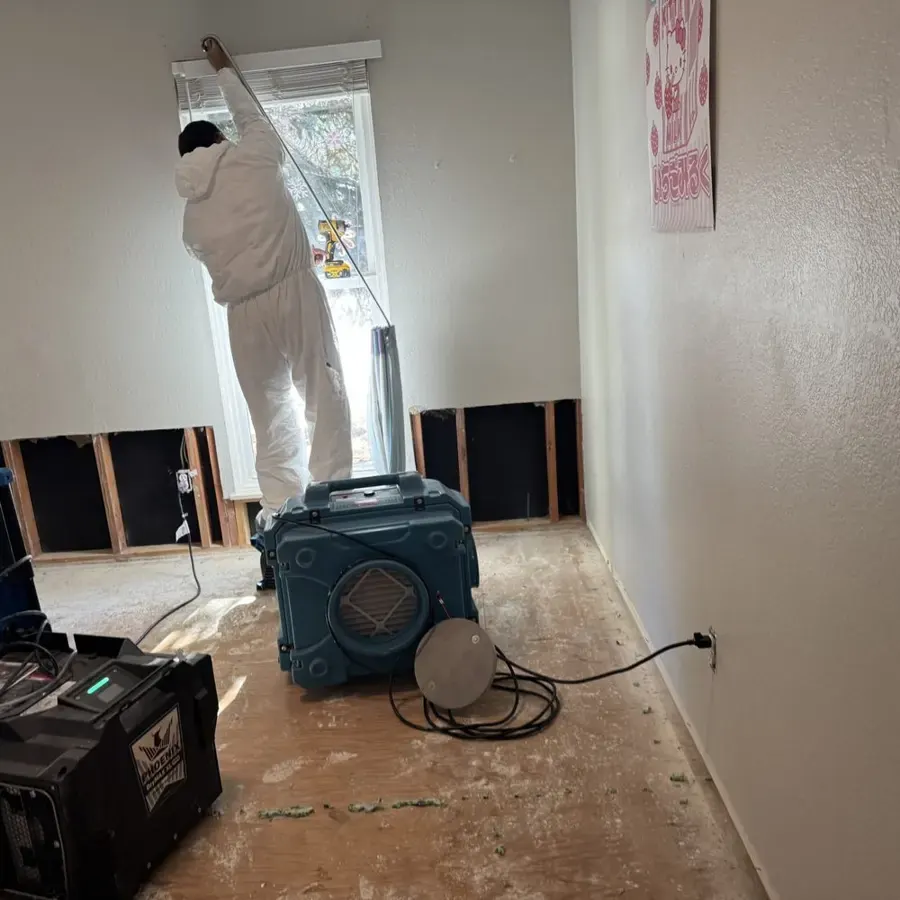
Water Damage Restoration Services in Lakewood, CO
Gulch storms, hail, hard freezes and private sewer laterals cause most Lakewood losses. The fourteen services below each follow the source of the water.
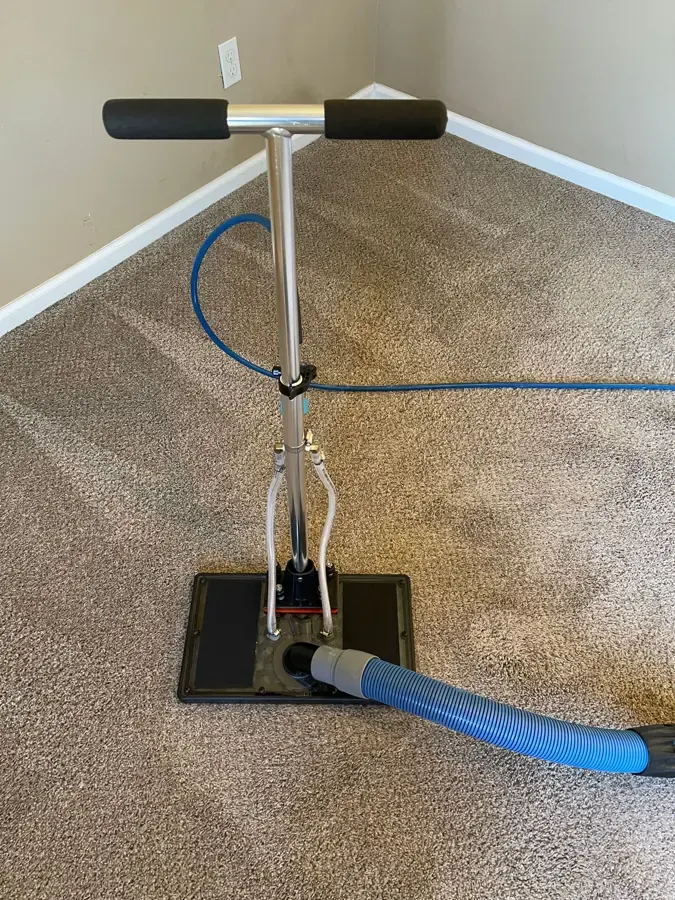
Water Extraction and Removal
Standing water removed first, once the right shutoff is found among the many districts serving the city.
Details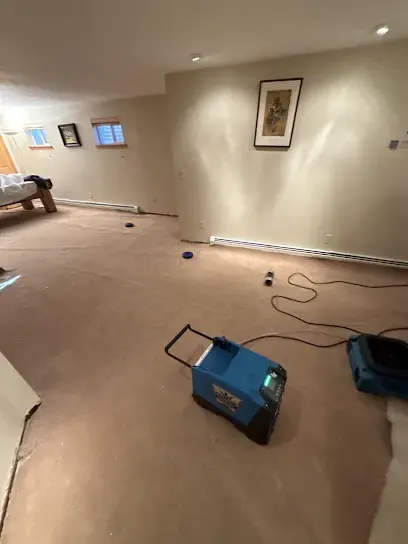
Basement Flooding Cleanup
Lower levels near North Dry Gulch and Weir Gulch pumped out, then dried one wall at a time.
Details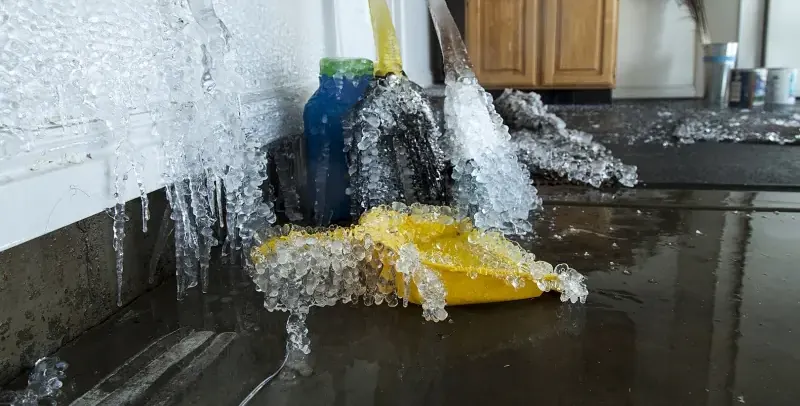
Frozen Pipe Cleanup
Supply pipes split by deep winter cold, traced to the break and dried inside the wall.
Details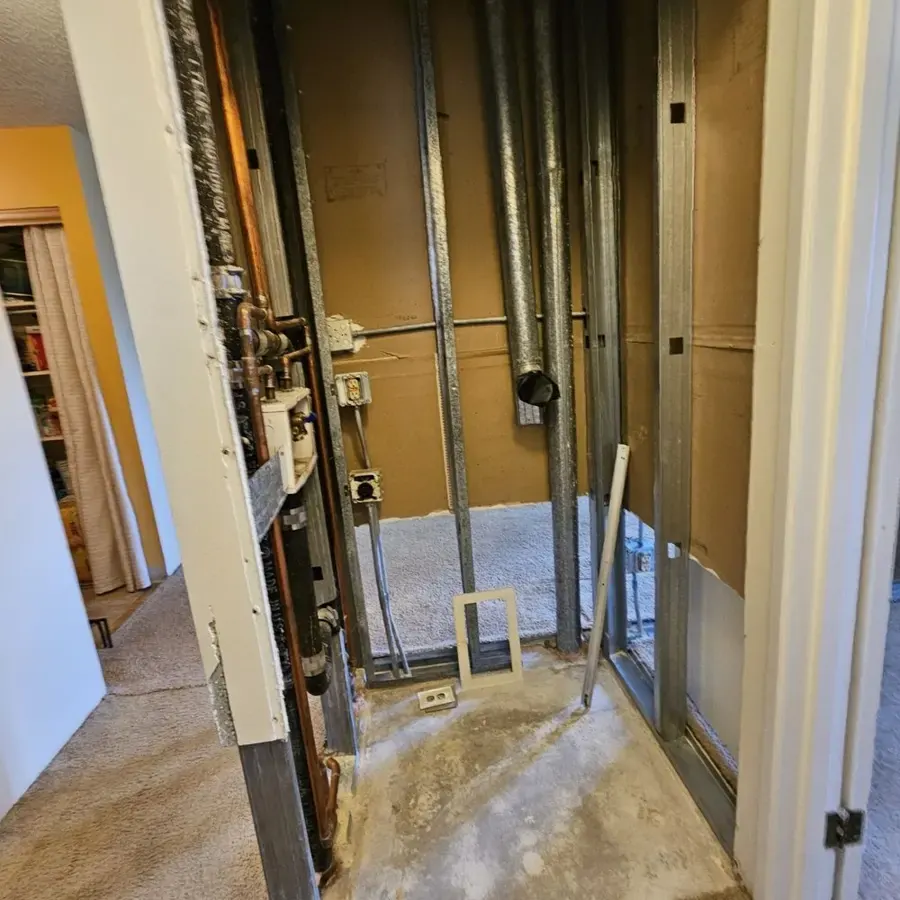
Burst Pipe Water Damage
Failed supply pipes extracted, with drywall cut open only where meters find moisture.
Details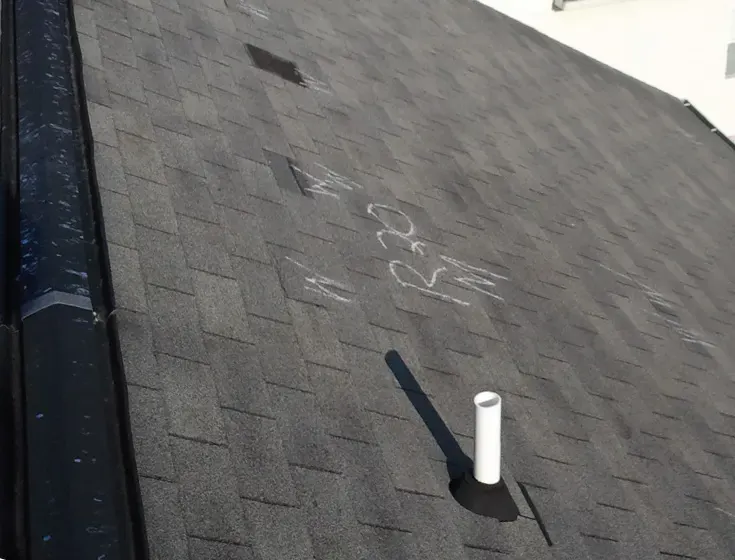
Hail Roof Leak Water Damage
Hail-bruised roofs that leak later, with wet attic insulation pulled and ceilings dried.
Details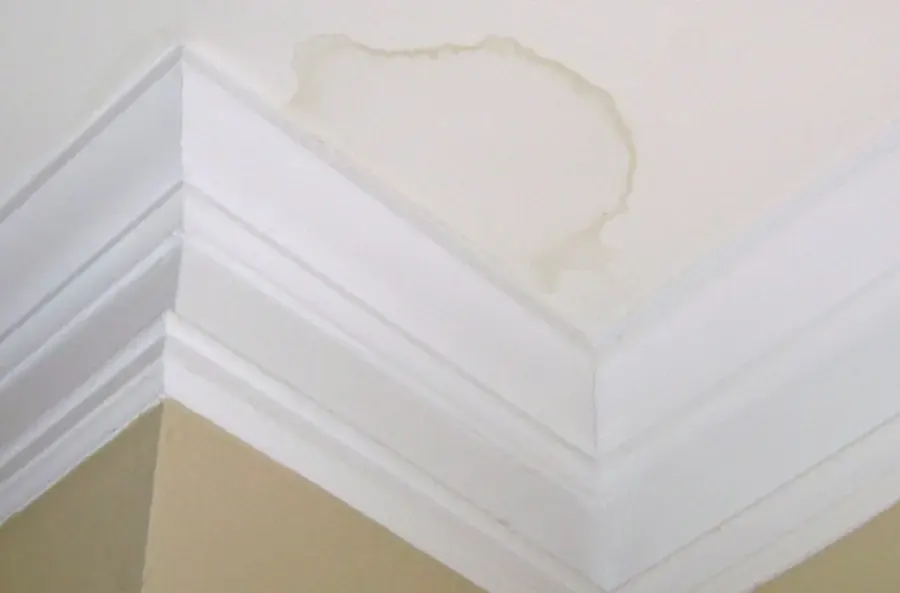
Ice Dam Water Damage
Meltwater refrozen along the eaves and driven into outside walls, traced and dried.
Details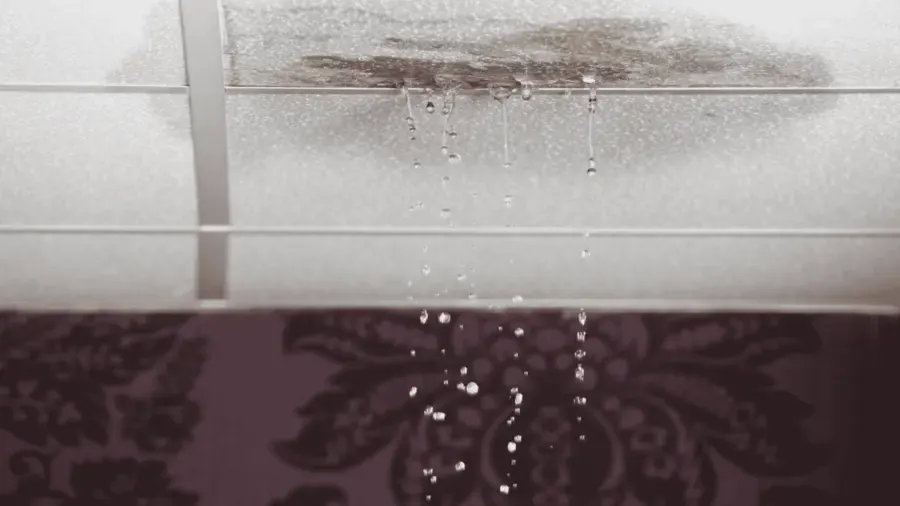
Ceiling Leak Water Damage
Roof and upstairs bath leaks that stain ceilings, followed through joist bays and dried.
Details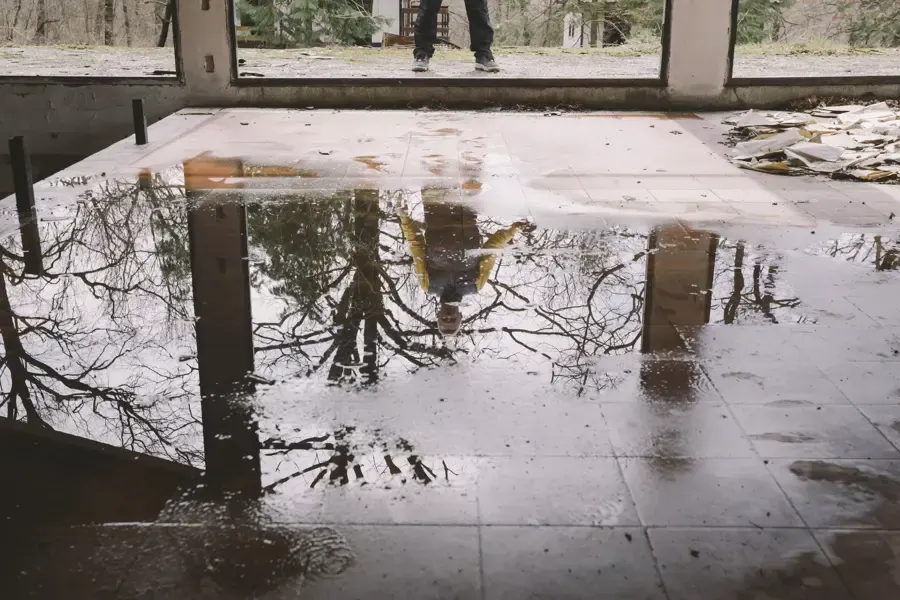
Storm and Flash Flood Cleanup
Gulch runoff after hard storms handled as contaminated water, then cleaned and dried.
Details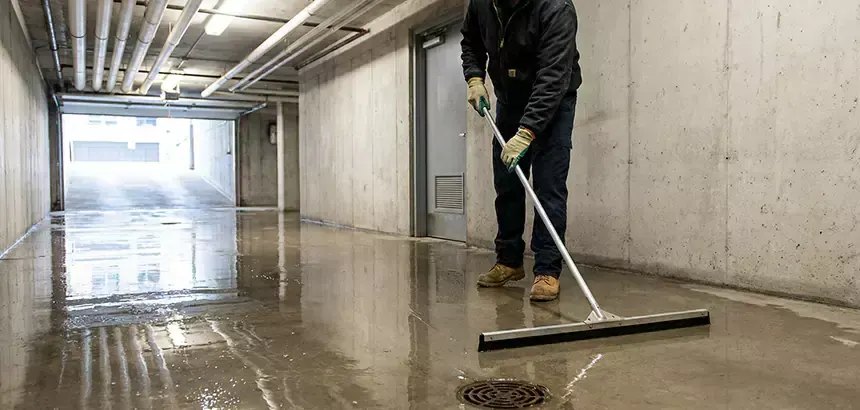
Sump Pump Failure Cleanup
Pits that overflow when a pump stalls, extracted before carpet and drywall are ruined.
Details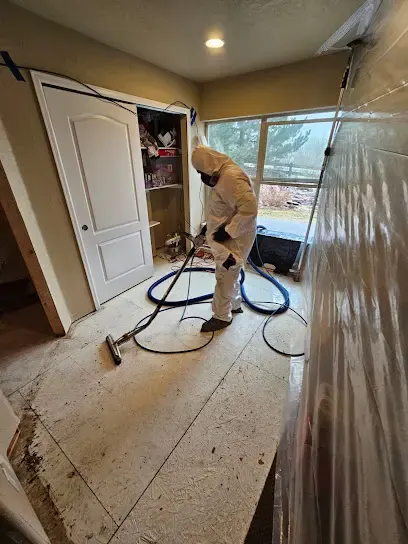
Sewage Backup Cleanup
Backups through floor drains contained, porous materials removed, every surface treated.
Details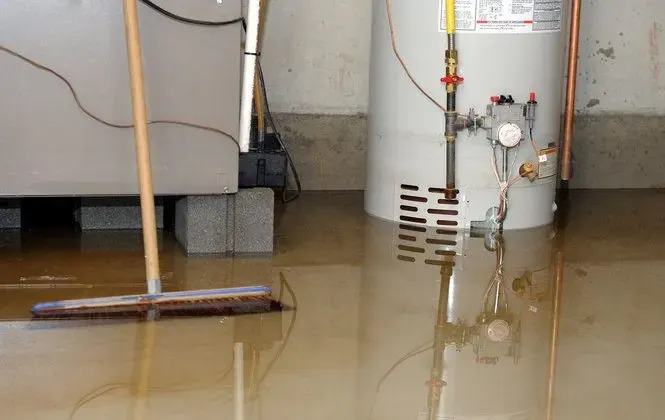
Water Heater Leak Cleanup
Tank and valve leaks in utility rooms extracted, with nearby wall bases dried out.
Details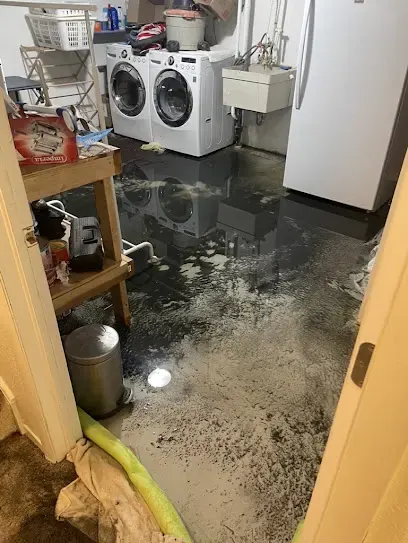
Appliance Leak Water Damage
Washer and dishwasher leaks dried under cabinets and through floors that rental units share.
Details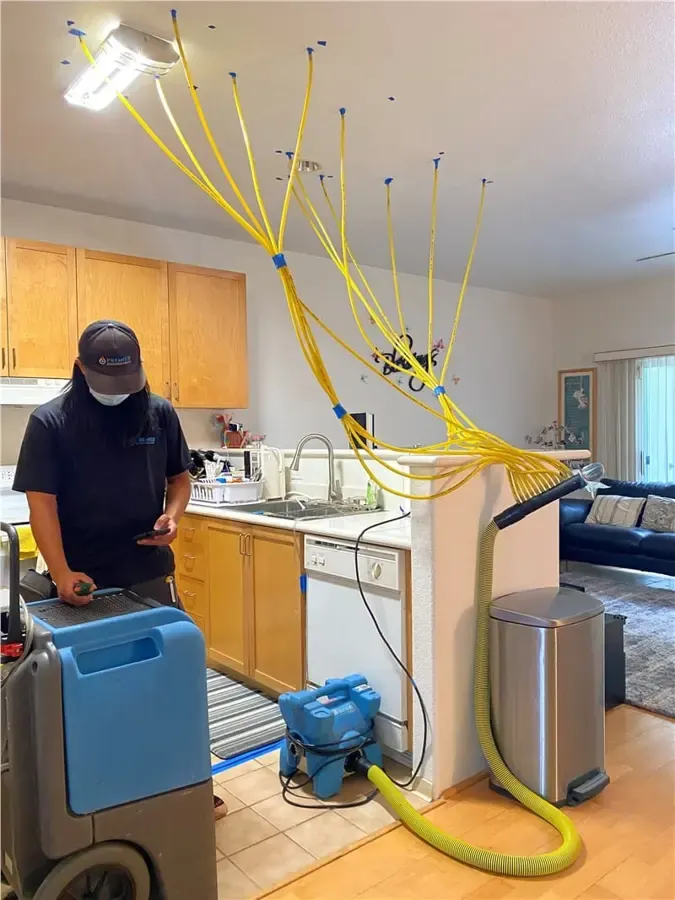
Structural Drying and Dehumidification
Framing, subfloor and wall cavities dried until readings meet a dry reference.
Details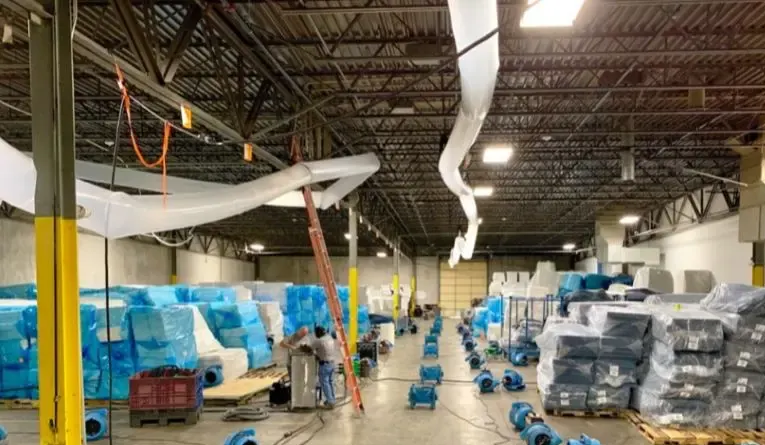
Commercial Water Damage
Shops, offices and rentals on Colfax Avenue, Wadsworth Boulevard and in Belmar dried in phases.
DetailsFirst moves when water shows up in Lakewood
- 1
Locate the main shutoff
Turn off the valve at the meter pit, or where the service pipe enters the building.
- 2
Make the panel safe
Shut off wet circuits only if the breaker panel is in a dry spot.
- 3
Stay out of deep water
Pooled water can reach outlets, extension cords, a furnace or a water heater.
- 4
Photograph before moving
Shoot wide and close-up pictures of the water depth and each wet room.
- 5
Raise belongings, then call
Lift rugs, boxes and electronics out of reach. Mold can take hold within a day or two.
Lakewood dry-outs follow the IICRC S500 standard
A Lakewood floor can feel dry by the next morning while studs and subfloor stay soaked underneath. The drying team trusts meters over fingertips and keeps every machine running until the numbers stop falling, however dry it looks.
Find where it went
Moisture meters and a thermal camera sweep walls, floors and the room beneath before any machine is placed, so nothing hidden is missed.
Remove the liquid
Truck-mounted units pull water from carpet, cushion and hard flooring, leaving the dehumidifiers far less to handle.
Size the equipment
Air movers and LGR dehumidifiers match the class of loss, and desiccant units go to dense hardwood.
Write down every reading
Numbers are logged daily, and machines leave only when materials read within 2 to 4 points of an unaffected sample.
What does water damage restoration cost in Lakewood, CO?
Expect Lakewood water damage restoration to run from about $1,000 to $25,000. Small clean-water leaks cost the least, while gulch floodwater or sewage through a finished basement costs the most. Category, wet square footage, materials and how quickly drying starts decide where a job lands.
Small clean leak
- One or two rooms
- Extraction first
- Daily moisture logs
A whole lower level
- Wet pad removed
- Cuts guided by meters
- Dehumidifiers and desiccants
Gulch water or sewage
- Category 3 cleanup
- Containment, HEPA filtration
- Extended drying
These are ballpark figures, not a quote. For a sharper estimate, run the water damage cost calculator or the drying time estimator.
Clean, gray and black water handled in Lakewood, CO
Category 1: clean water
Failed supply pipes and tank leaks. Found fast, most materials dry right where they sit.
Burst pipe water damageCategory 2: gray water
Overflowing sump pits and appliance discharge. Soaked pad is discarded and hard surfaces are sanitized.
Sump pump failure cleanupCategory 3: black water
Gulch floodwater and sewage. Porous materials it touched are thrown out, never dried.
Sewage backup cleanup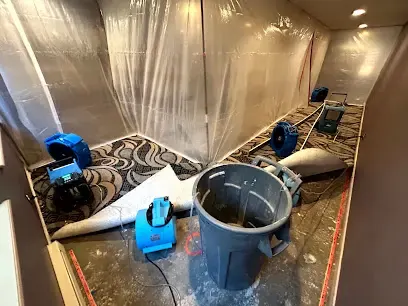
How Lakewood restoration crews work through a water loss
Lakewood mixes 1920s craftsman houses in Two Creeks with hillside homes from the 1960s to the 1990s, and plenty of rentals. Water slips through shared walls and down stairwells, so meters steer each choice.
Rapid local response
Dispatch stays staffed through the night, and running water in any Lakewood neighborhood gets emergency treatment.
S500 structural drying
Equipment is chosen by class of loss, and drying continues past the surface into studs and subfloor.
Claim-ready documentation
A moisture map, readings recorded each day and time-stamped photos, all before anything is cut out.
Lakewood water know-how
Gulch floodplains, over 20 water and sewer districts, hail and heavy snow shape most losses.
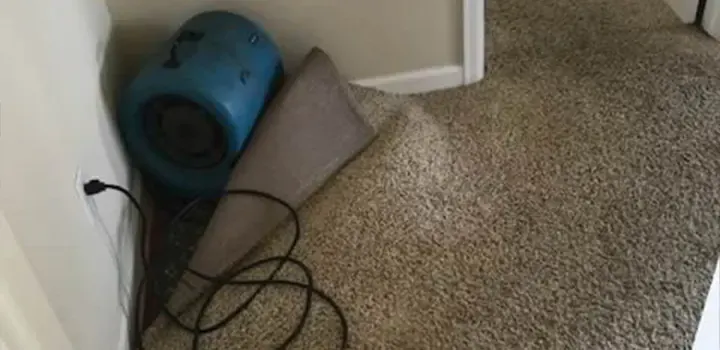
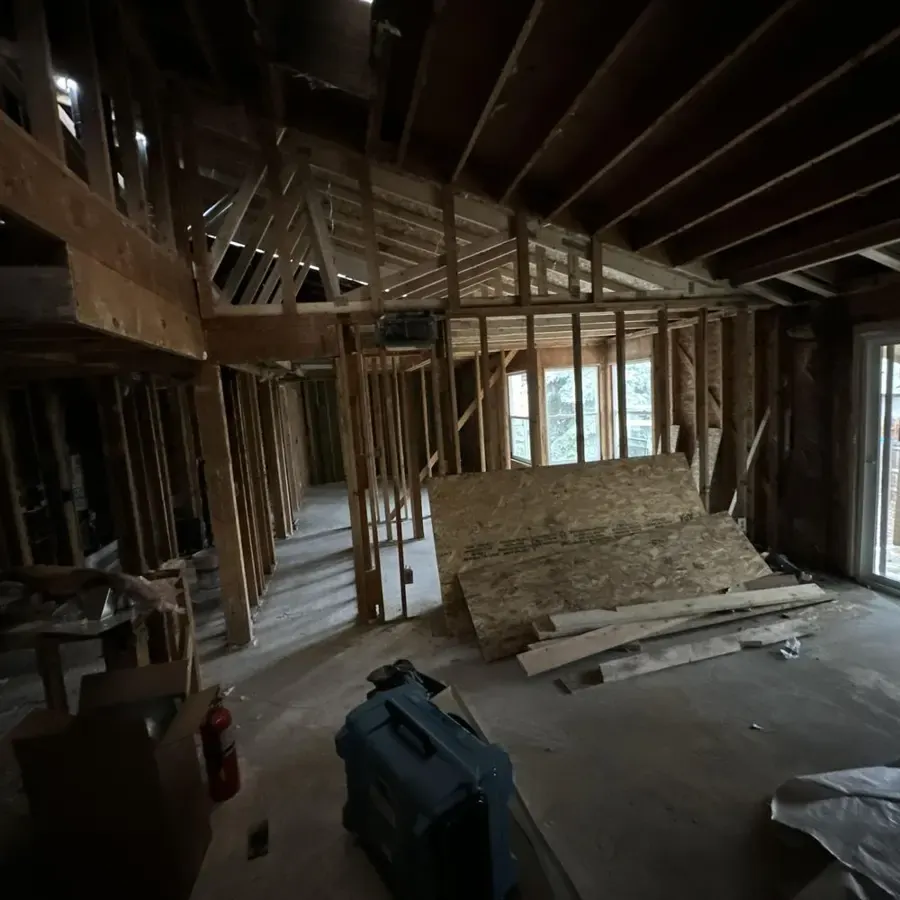
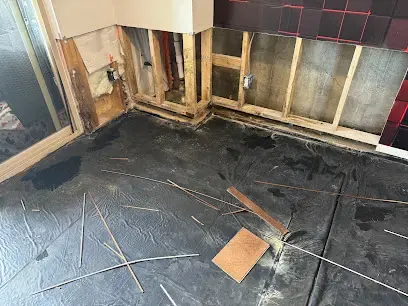
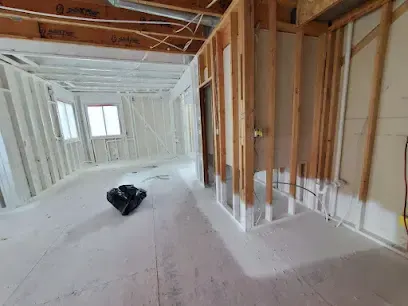
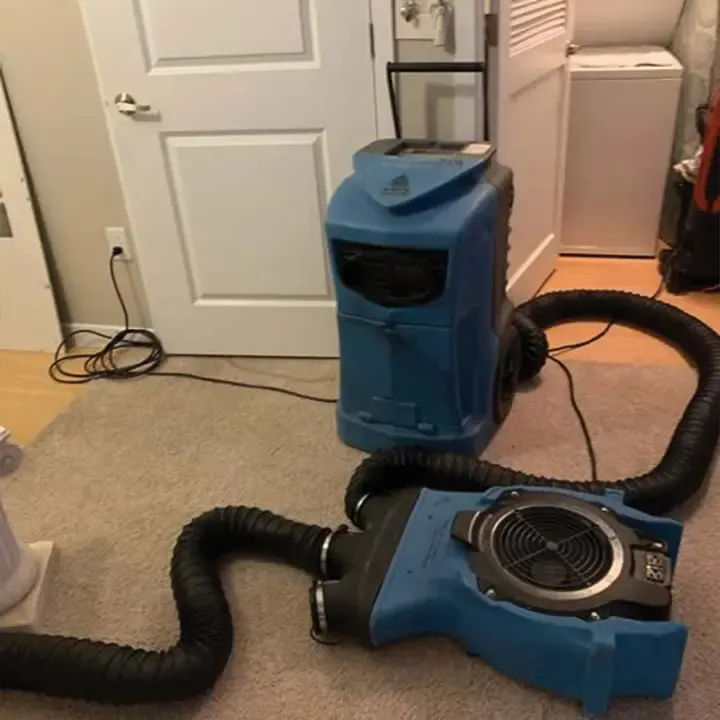
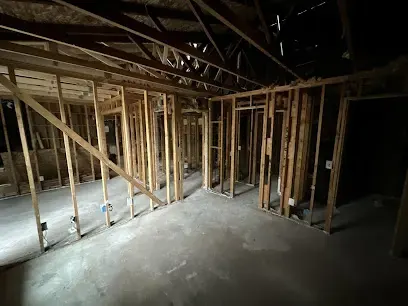
A Lakewood water damage dry-out, in photos
What the claim file should hold
Adjusters lean on paperwork when they judge water claims. A thorough Lakewood file usually holds the five items below.
- Day-one moisture map that marks wet walls, floors and ceilings
- Daily temperature, humidity and material readings through the last day of drying
- Dated photos showing the damage before any removal
- The loss category and class, which separate drying from tearing out
- An itemized scope in the layout adjusters expect
Read your own policy
A supply pipe that bursts without warning is usually handled apart from gulch water rising into a house, which typically calls for flood coverage. Backed-up sewers often need a separate endorsement.
What is covered turns on your own policy, so ask your insurer, and ask the contractor which records come with the job.
Lakewood water damage restoration, from Two Creeks to Green Mountain
Lakewood neighborhoods and corridors
ZIP codes
Nearby areas
Lakewood, CO water damage: what the local risk looks like
Lakewood sits at 5,656 feet, with Green Mountain rising in the west and Lakewood Gulch, Weir Gulch, Sanderson Gulch and Bear Creek running east through town.

The first phase of the North Dry Gulch storm system was finished along West 14th Avenue, one step in a multi-year drainage project in a floodplain touching over 100 structures.
- Gulch flooding: North Dry Gulch runs beside West Colfax Avenue, and a Weir Gulch study flags elevated risk in Barnum, Barnum West, Westwood and Valverde.
- Hail season: The July 11, 1990 and May 8, 2017 storms both struck Lakewood, and bruised roofs can leak months later.
- Heavy snow: Snowfall near 58 inches a year brings frozen supply pipes in winter and meltwater against foundations.
- Swelling clay: Clay that expands when wet can crack slabs and basement floors and stress sewer pipes, says the Colorado Geological Survey.
- Owner-run laterals: Owners maintain the whole sewer lateral to the main, and the city ties many backups to those private pipes.
Common Lakewood water damage questions
What comes first when I spot water in my Lakewood house?
Turn off the main valve and, if the panel is dry, the power to wet rooms. Avoid pooled water near outlets, photograph everything, then call for extraction. Mold can take hold within a day or two.
How fast does someone respond in Lakewood?
Dispatch operates at every hour for ZIP 80214, 80215, 80226, 80227, 80228 and 80232. Active water counts as urgent whether it is midnight, a holiday or a snow day.
Where is my water shutoff in Lakewood?
More than 20 independent water and sewer districts serve the city, so the provider depends on the address. The owner maintains the service pipe running from the meter pit to the building.
Is my Lakewood home near a floodplain?
North Dry Gulch has a mapped floodplain along West Colfax Avenue, and a Weir Gulch study shows elevated risk in Barnum, Barnum West, Westwood and Valverde. Look up your address on the current FEMA map.
Who handles a sewer backup in Lakewood?
Owners maintain the entire lateral from the building to the main. The city offers 24/7 emergency inspections to decide whether a backup falls to the owner or the city, and cleanup follows.
How many days does a dry-out take?
Class 1 losses confined to one room often finish drying in three to five days. Hardwood, dense materials and two-level losses run longer, and machines leave only when readings reach the dry reference.
Will insurance pay for water damage in Lakewood?
Sudden pipe failures are often covered. Water that rises from outside is a flood matter and typically needs its own policy, while backed-up sewers often call for an endorsement. Your policy decides, so confirm with your insurer.
Can hail cause a roof leak long after the storm?
Yes. Hail can bruise shingles without leaving a clear hole, and a later rain may then find its way in. A ceiling stain is often the first sign, and that gets traced and dried.
What makes sewage different from a clean-water leak?
Sewage starts as Category 3 the instant it spills. Porous materials it touched are removed, the space is sealed off, and an antimicrobial registered with the EPA goes on every surface before drying starts.
What decides the final price?
Category of water, wet square footage, materials and the speed of the drying start all count. The cost calculator returns a typical range for a Lakewood home.
Water in a Lakewood home? Begin the dry-out now.
Every hour water stands, more pad, drywall and subfloor has to be hauled out. Crews extract the water first, then dry the structure until readings confirm it.
(888) 532-8620Begin the Lakewood dry-out tonight- Dispatch around the clock
- IICRC S500 drying standard
- Moisture logs for the claim file
- Find us on Google