Water Damage Restoration Wheat Ridge, CO
Water damage restoration in Wheat Ridge, CO, at any hour. The restoration team pumps out the water, dries 1960s houses and newer rentals to the IICRC S500 standard and logs the readings for your claim.
(888) 532-8620Speak with Wheat Ridge dispatch nowZIP 80033, 80034 and 80215, plus Bel Aire, Fruitdale and Applewood Knolls.
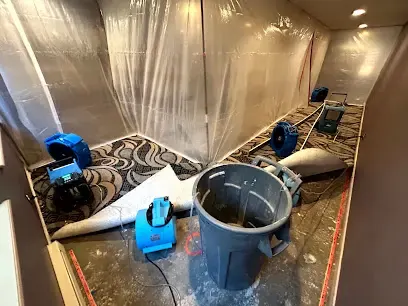
Water Damage Restoration Services in Wheat Ridge, CO
Most Wheat Ridge losses trace back to cold snaps, hail, the Clear Creek and Lena Gulch floodplains, or a shared wall in a rental building.
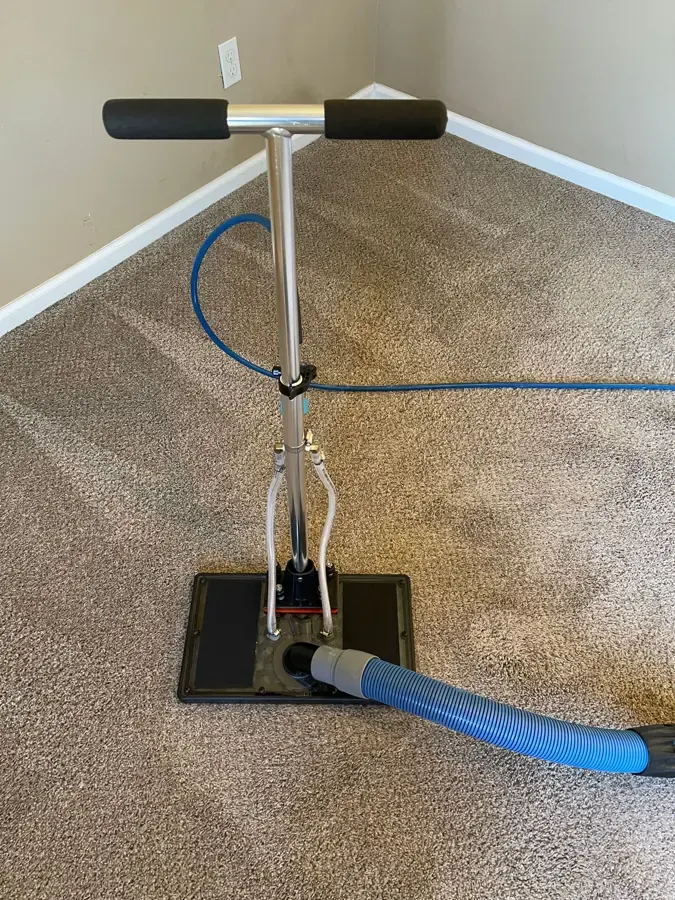
Water Extraction and Removal
Truck-mounted units pull standing water out of carpet and pad before it reaches the framing.
Details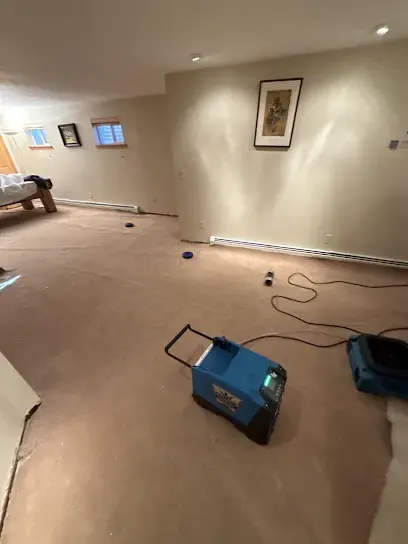
Basement Flooding Cleanup
Lower levels near Clear Creek and Lena Gulch pumped out and dried wall by wall.
Details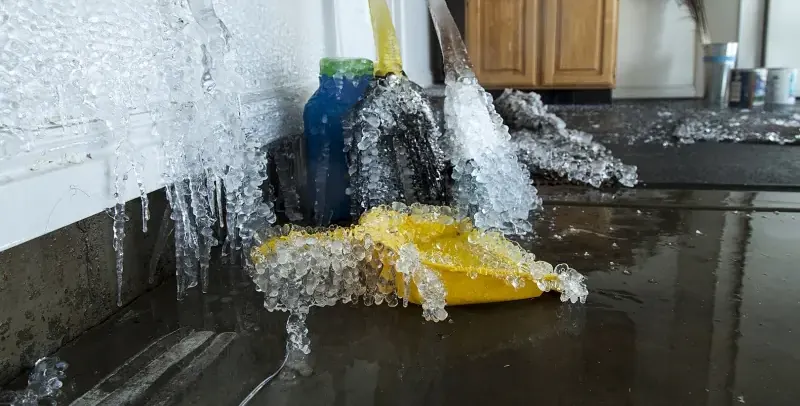
Frozen Pipe Cleanup
Supply pipes that split during a deep freeze, traced inside the wall and dried in place.
Details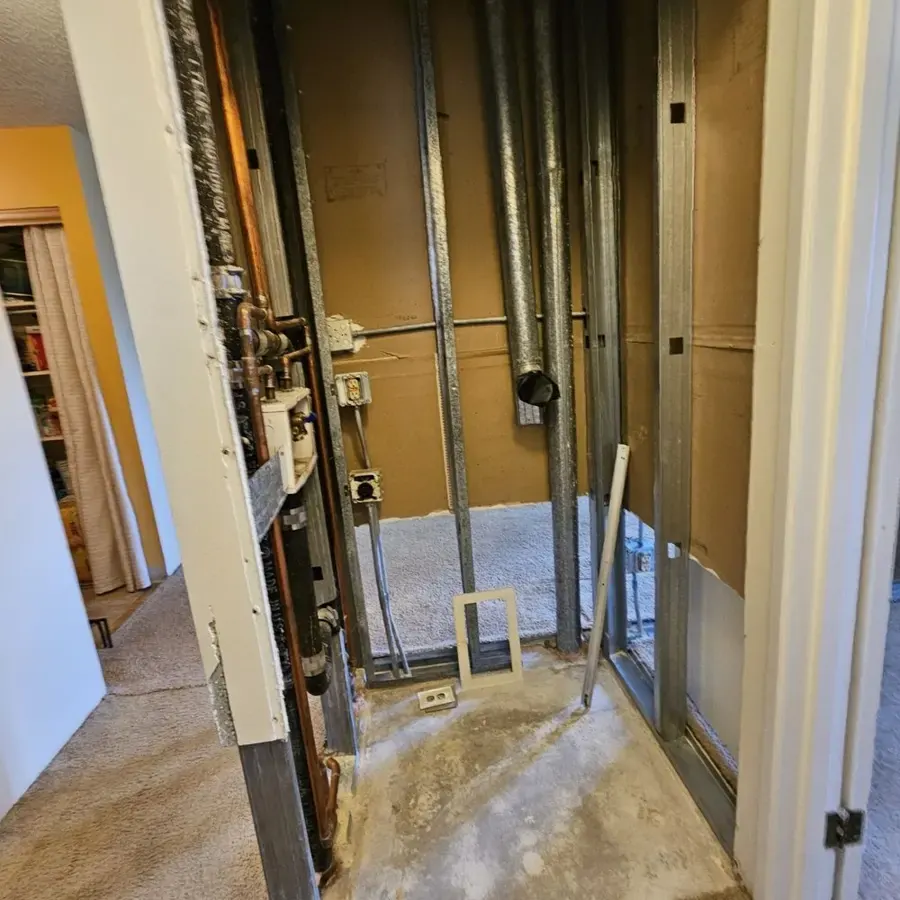
Burst Pipe Water Damage
Pressurized pipe failures extracted, with drywall opened only where meters find water.
Details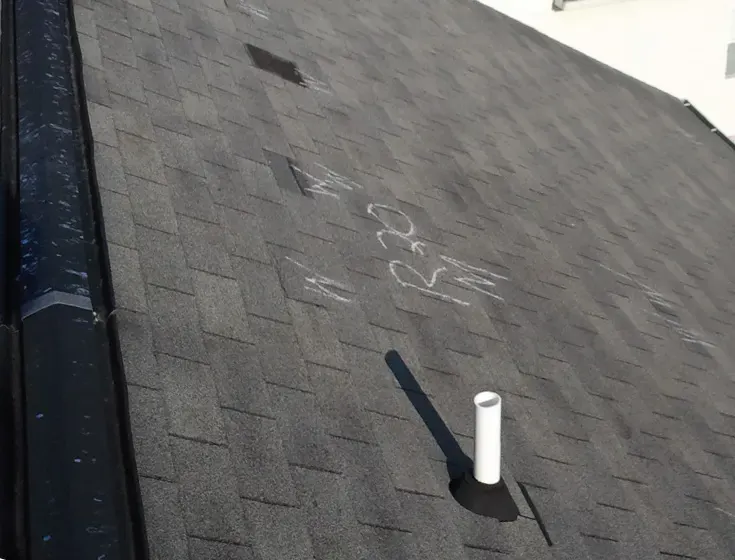
Hail Roof Leak Water Damage
Storm water through hail-bruised shingles, attic insulation pulled and ceilings dried below.
Details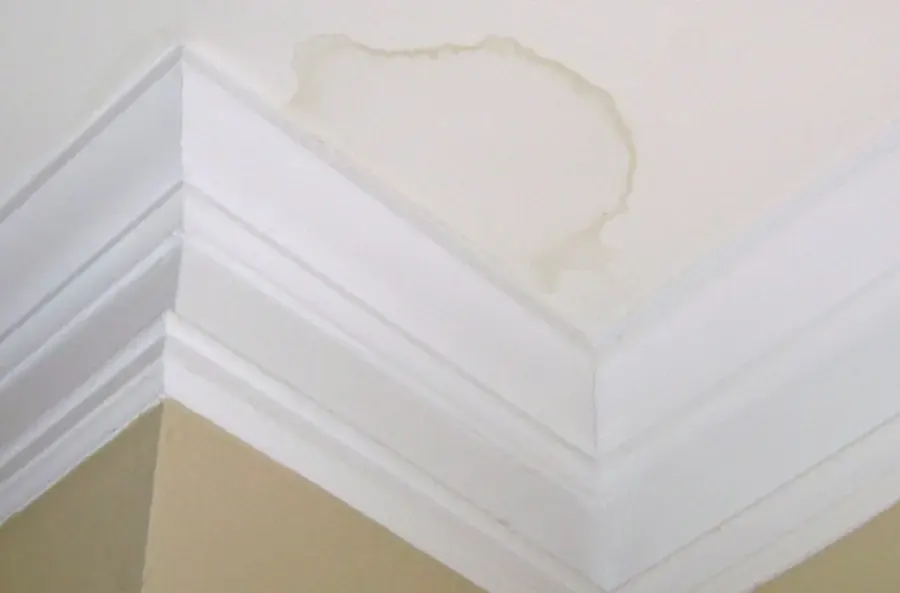
Ice Dam Water Damage
Snowmelt that backs up at the eaves and soaks outside walls, found and dried.
Details
Ceiling Leak Water Damage
Upstairs bath and laundry leaks traced through joist bays and dried before drywall sags.
Details
Storm and Flash Flood Cleanup
Creek and gulch runoff handled as contaminated water, then cleaned and dried.
Details
Sump Pump Failure Cleanup
Pits that overflow when a pump stalls in a storm, extracted and dried quickly.
Details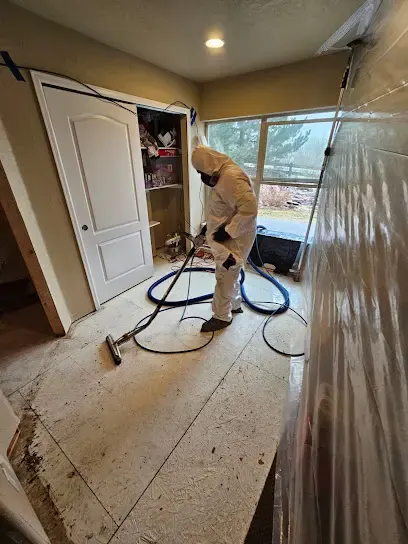
Sewage Backup Cleanup
Lateral backups through basement drains contained, porous materials removed, surfaces treated.
Details
Water Heater Leak Cleanup
Tank and valve failures in utility rooms extracted, with nearby wall bases dried.
Details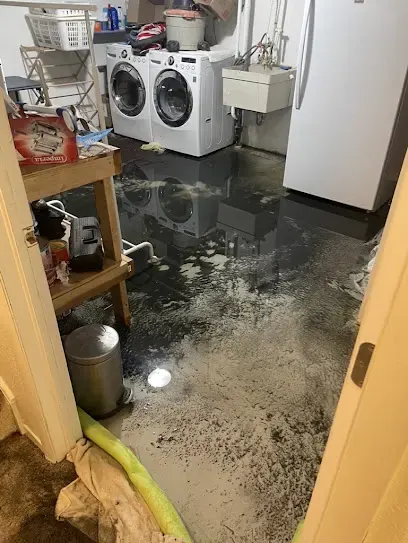
Appliance Leak Water Damage
Washer and dishwasher leaks dried under cabinets and through shared floors in rentals.
Details
Structural Drying and Dehumidification
Framing, subfloor and wall cavities dried until readings match a dry reference.
Details
Commercial Water Damage
Clinics, shops and offices on 38th Avenue, Wadsworth and Kipling dried in phases.
DetailsWhat to do first when water shows up in Wheat Ridge
- 1
Find the shutoff
Close the main valve, often near the meter or where the supply pipe enters a basement wall.
- 2
Make the panel safe
Switch off wet circuits only when the breaker box sits on dry ground.
- 3
Keep out of deep water
Water near outlets, extension cords or a furnace can carry current.
- 4
Take photos early
Record the water depth and every wet room before lifting or moving anything.
- 5
Raise belongings, then call
Get rugs, boxes and electronics off the floor. Mold growth can begin in 24 to 48 hours.
Wheat Ridge homes dried to the IICRC S500 standard
A Wheat Ridge house built in the 1960s can look dry within a day while the framing, subfloor and wall cavities still hold water. The drying team follows meter readings, not appearances, and leaves the equipment running until the numbers settle.
Map the moisture
Before any equipment is set, the tech who does the walkthrough checks walls, floors and the level below with pinless meters and a thermal camera.
Extract the water
Truck-mounted units pull water out of carpet, pad and hard floors, so far less is left for the dehumidifiers to remove.
Set the drying equipment
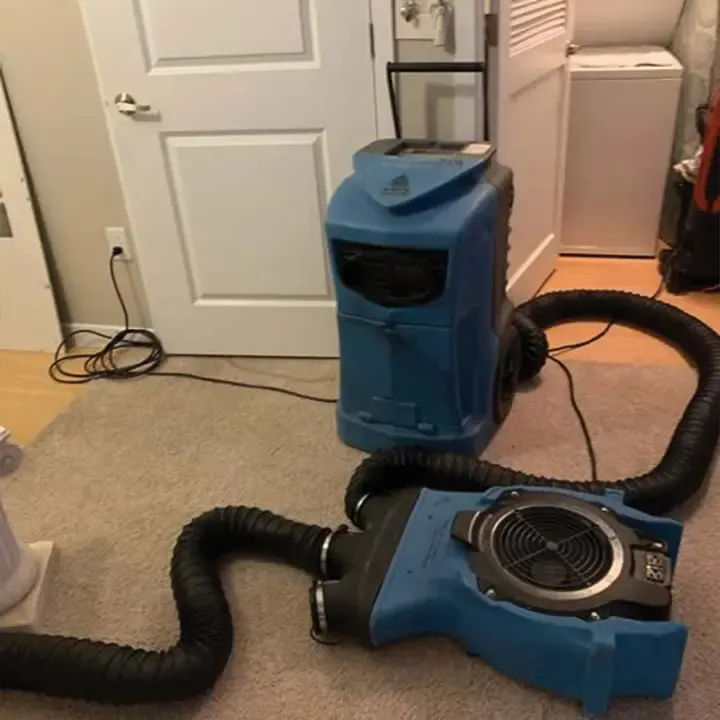
Air movers and LGR dehumidifiers go in by the class of loss, with desiccant units and mats for hardwood.
Read it every day
Readings get logged daily, and the drying team removes equipment once materials are within 2 to 4 points of a dry reference.
What does water damage restoration cost in Wheat Ridge, CO?
Water damage restoration in Wheat Ridge usually lands between $1,000 and $25,000. A short clean-water leak sits near the bottom, while floodwater or sewage in a finished lower level sits near the top, set by category, square footage, materials and drying speed.
Contained clean leak
- A room or two
- Dried in place
- Readings every day
Lower level or full floor
- Pad and flood cuts
- LGR and desiccant units
- Claim photos and logs
Floodwater or sewage
- Category 3 removal
- HEPA and containment
- Longer structural drying
Treat these as typical figures, not a quote. The water damage cost calculator and the drying time estimator narrow it down.
Every water category handled in Wheat Ridge, CO
Category 1: clean water
Supply pipes, freeze breaks and water heaters. Dried in place when the response is quick.
Frozen pipe cleanupCategory 2: gray water
Washers, dishwashers and sump overflow. Pad is removed and hard surfaces get antimicrobial.
Appliance leak water damageCategory 3: black water
Sewage and creek floodwater. Anything porous it reached is removed rather than dried.
Sewage backup cleanup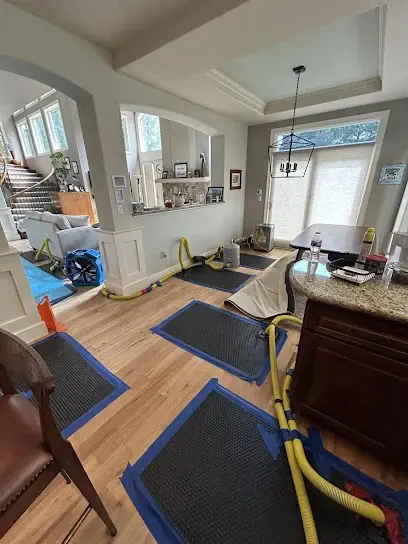
How the Wheat Ridge restoration crew handles a water loss
Wheat Ridge mixes 1960s ranches and split-levels with apartments and rentals, so water often travels through a shared wall or down to a lower level. The restoration team traces it with meters before deciding what stays and what goes.
Rapid local response
Dispatch runs at all hours, and active water anywhere in Wheat Ridge is handled as an emergency.
IICRC S500 drying standard
Drying reaches the framing and subfloor, with equipment matched to the class of loss.
Claim-ready documentation
A moisture map, daily drying logs and dated photos taken before anything is torn out.
Jefferson County water know-how
Clear Creek and Lena Gulch floodplains, hail, deep freezes and swelling clay soil shape most losses here.
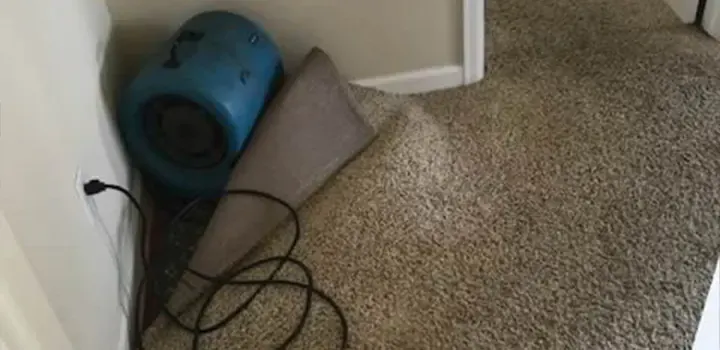
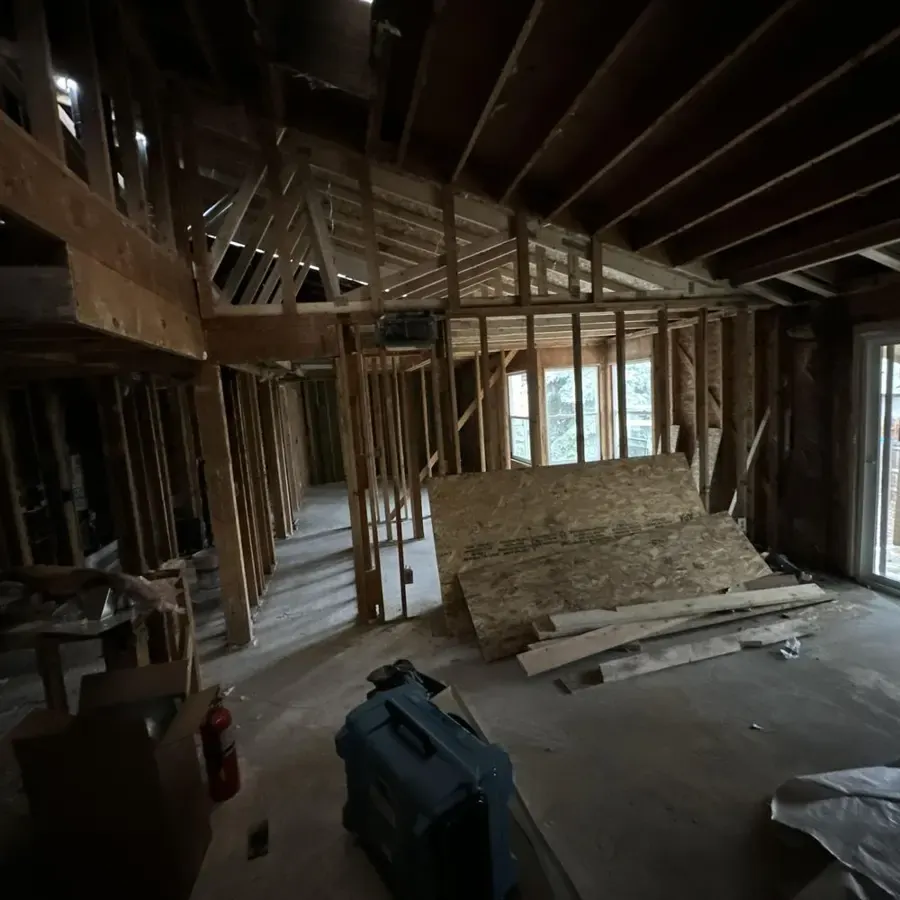
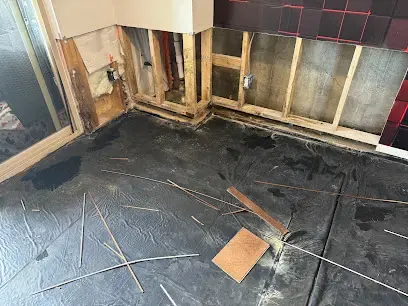
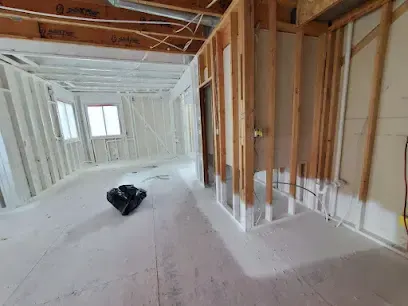
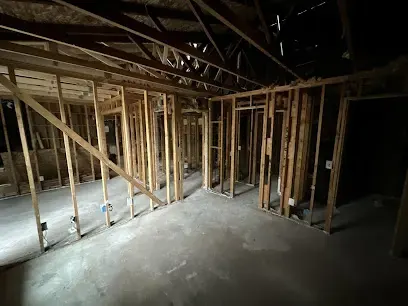
What a water damage dry-out looks like in Wheat Ridge
Records for your insurance claim
Adjusters decide a water claim from the documentation. A complete Wheat Ridge claim file usually holds these items.
- A first-day moisture map marking every wet wall, floor and ceiling
- Daily humidity, temperature and material readings until drying is finished
- Dated photos of the damage taken before anything is removed
- The category and class of the loss, which decide removal versus drying
- An itemized scope written the way adjusters read it
Check your own policy
A sudden discharge, such as a supply pipe that splits in a freeze, is often handled differently from creek water rising into a house, which usually needs a flood policy. Sewer backup frequently needs a separate endorsement.
Coverage depends on your policy, so it is worth checking with your own insurer and asking what documentation comes with the job.
Water damage restoration across Wheat Ridge and Jefferson County
Wheat Ridge neighborhoods and corridors
ZIP codes
Nearby areas
Water damage in Wheat Ridge, CO: the local risk profile
Wheat Ridge sits at 5,348 feet, with Clear Creek crossing its northern third beside Interstate 70 and most homes dating from the 1960s.

A hailstorm dropped baseball-size hail on Golden, Lakewood, Wheat Ridge and northwest Denver, shattering windows and leaving roof damage that can leak long after the storm.
- Deep freezes: January lows near 17 degrees, plus about 65 straight hours below freezing in January 2025, split supply pipes across the metro.
- Mapped floodplains: Clear Creek, Lena Gulch and the 26th Avenue drainage near Sloan's Lake put more than 500 acres in the flood hazard area.
- Hail season: The May 8, 2017 and July 11, 1990 storms both hit Wheat Ridge hard and opened roofs to the next rain.
- Swelling clay: The Colorado Geological Survey calls expansive soil a major Front Range hazard for slabs, basement floors and sewer pipes.
- Snow load: About 75.5 inches of snow a year means ice at the eaves and meltwater against foundations.
Wheat Ridge water damage questions, answered
What should I do first when I find water in my Wheat Ridge home?
Close the main valve, switch off power to wet rooms if the panel is dry, keep away from water near outlets, and photograph the damage before moving anything. Then call for extraction, because mold can begin within 24 to 48 hours.
How quickly can someone respond in Wheat Ridge?
Dispatch runs at all hours across ZIP 80033, 80034 and 80215, and active water is handled as urgent on nights, weekends and snow days alike.
Is my Wheat Ridge home in a floodplain?
Clear Creek, Lena Gulch and the 26th Avenue drainage near Sloan's Lake are the mapped floodplains, covering more than 500 acres. The 2014 FEMA update added 267 parcels, so check the current Jefferson County flood map for your address.
Why do pipes burst in Wheat Ridge winters?
January lows average near 17 degrees, and long cold spells like the roughly 65 hours below freezing in January 2025 freeze pipes in outside walls and garages. The split usually leaks once the pipe thaws.
Who fixes a sewer backup in Wheat Ridge?
The homeowner maintains the sewer lateral from the house to the main, and the sanitation district maintains the main itself. Five sanitation districts cover parts of the city, so call yours to check the main, then call for cleanup.
How long does drying usually take?
A contained Class 1 loss in one room often dries in three to five days. Hardwood, dense materials and losses on two levels take longer, and equipment comes out only once readings match a dry reference.
Does homeowners insurance cover water damage here?
A sudden pipe failure is often covered. Creek or surface flooding usually needs a flood policy, and sewer backup often needs an endorsement. Coverage depends on your policy, so check with your own insurer.
Can a water leak in a rental travel to the next unit?
Yes. Close to half of occupied Wheat Ridge homes are rented, and water from a washer or bathroom can move through shared walls and floors. Each affected unit gets its own readings and photos.
Why is sewage cleanup different from a clean leak?
Sewage is Category 3 from the start. Porous materials it reached are removed, the area is contained, and surfaces are treated with an EPA-registered antimicrobial before drying begins.
How is the cost worked out?
By the water category, how many square feet got wet, the type of materials and how soon drying began. The cost calculator gives a typical range for a Wheat Ridge home.
Water damage in Wheat Ridge? Start the dry-out now.
The longer water sits, the more pad, drywall and subfloor ends up in the dumpster. The extraction crew removes the water, and the drying team works until the readings confirm dry.
(888) 532-8620Start the Wheat Ridge dry-out tonight- Dispatch around the clock
- IICRC S500 drying standard
- Moisture logs for the claim file
- Find us on Google