Water Extraction and Removal in Edgewater, CO
Edgewater is a small valley city that has flooded repeatedly, so extraction often begins in a basement. The extraction crew pulls water from carpet, pad and hard floors before it sinks into the framing and the level below.
(888) 532-8620Get Edgewater water pulled out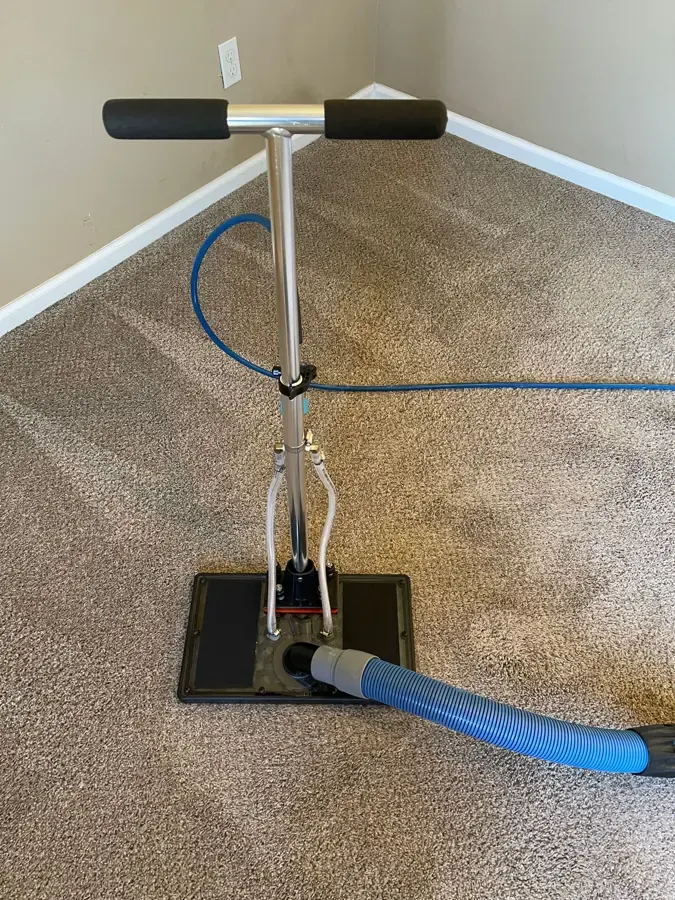
In an Edgewater house the first hour matters most: liquid water left on the floor soaks into pad, baseboard and the ceiling below. The extraction crew removes as much of it as possible before any drying equipment starts.
First steps for water extraction and removal in Edgewater
- 1
Stop the source
Close the main or the appliance valve before anything else.
- 2
Kill power safely
Turn off breakers only when the panel is dry.
- 3
Photograph the water
Capture the depth and every wet room before you move things.
- 4
Lift what you can
Raise rugs, boxes and electronics out of the water.
What does water extraction and removal cost in Edgewater, CO?
Expect $500 to $6,000 for water extraction in an Edgewater home. Floor area, water depth, category and the need to pump a basement first all move the final number.
One room, clean water
- Truck-mounted pass
- Pad pressed out
- Moisture check
A level or several rooms
- Extraction under baseboards
- Pad removed where needed
- Full moisture map
Basement with standing water
- Pump-out first
- Finished areas extracted
- Category 3 handling
Ranges are typical, not a quote: category of water, square footage, material class and how fast drying started move the number most. Run the water damage cost calculator for a closer range.
How water extraction and removal is handled in Edgewater
The tech who does the walkthrough maps moisture before any equipment goes down, so the drying plan matches what is actually wet. Equipment stays until the readings say dry, not until it looks dry.
Map the moisture
Meters and a thermal camera show how far the water went.
Pump and extract
Standing water goes first, then carpet and hard floors.
Set the drying gear
Air movers and dehumidifiers go in once the liquid is out.
Log the readings
Daily numbers decide when the equipment leaves.
Why extraction comes first in a valley city
Edgewater sits in a small valley between the Wheat Ridge and Lakewood hills, and Sloan's Lake collects runoff from 2,250 acres, so many calls begin with water in a lower level. Fans and dehumidifiers work by evaporation, which is slow, while extraction removes gallons in minutes and spares flooring that would otherwise be lost.
- Truck-mounted units run long hoses into homes on narrow blocks.
- Weighted tools press water out of carpet and pad, not just the top layer.
- Submersible pumps and portable extractors cover basements.
What the crew checks while extracting
Pinless meters and a thermal camera reveal water that traveled past the puddle: beneath cabinets, inside baseboards, down into the ceiling of the room below. That map marks where extraction ends and structural drying begins.
- The source and category of the water, which decide what can be saved.
- How far the water spread under walls.
- Whether pad can stay or must go.
When pulling water is not enough
Street runoff and sewage are Category 3, so porous materials come out instead of drying, as covered under sewage backup cleanup. Basements holding deep water get a pump first. The water damage cost calculator gives a quick range. Hardwood and dense materials need extra time and tools, so extraction is paired with drying mats where needed.
Water extraction and removal across Edgewater and nearby towns
The extraction crew works ZIP 80214, including the Sloan's Lake area, the 25th Avenue Main Street corridor, Citizen's Park and the blocks around Edgewater Public Market and Sheridan Boulevard.
The same service nearby: water extraction and removal in Golden, Wheat Ridge, Lakewood.
Related water damage services in Edgewater
Water Extraction and Removal questions in Edgewater, CO
How soon should standing water come out?
As early as possible. Water soaks into pad, baseboards and the ceiling below, and the longer it sits the more material is lost. Edgewater's lower levels collect water quickly in a heavy rain.
Can wet carpet be saved after extraction?
Often, if the water was clean and the response was early. Pad is usually replaced, while the carpet is pressed, lifted and dried. Contaminated water ends that option.
Why not rent a shop vacuum?
A shop vacuum removes a fraction of what soaks into pad and subfloor. Truck-mounted units and weighted tools pull far more, and meters then show what remains.
Does extraction work on hardwood?
Yes, with special tools and drying mats, though cupping can still appear if water sat for long. Quick extraction gives hardwood its best chance.
What happens once the water is out?
Meters map the remaining moisture, then air movers and dehumidifiers dry the framing and subfloor. Readings are logged until materials reach a dry reference.
Does insurance pay for water extraction?
Often, when the water came from a sudden source such as a failed pipe. Runoff entering a house tends to need flood coverage. Confirm with your own insurer.
Edgewater water on the floor? Get it out.
Each hour water sits, it soaks further into pad, drywall and the floor below. The extraction crew starts with the deepest areas.
(888) 532-8620Edgewater extraction crew, 24/7- Dispatch around the clock
- IICRC S500 drying standard
- Moisture logs for the claim file
- Find us on Google