Water Extraction and Removal in Wheat Ridge, CO
Most Wheat Ridge homes were built in the 1960s, and standing water moves quickly through their floors, stairs and walls. The extraction crew finds the shutoff, then pulls the water out as liquid with truck-mounted units before any drying equipment goes down.
(888) 532-8620Get Wheat Ridge water pulled out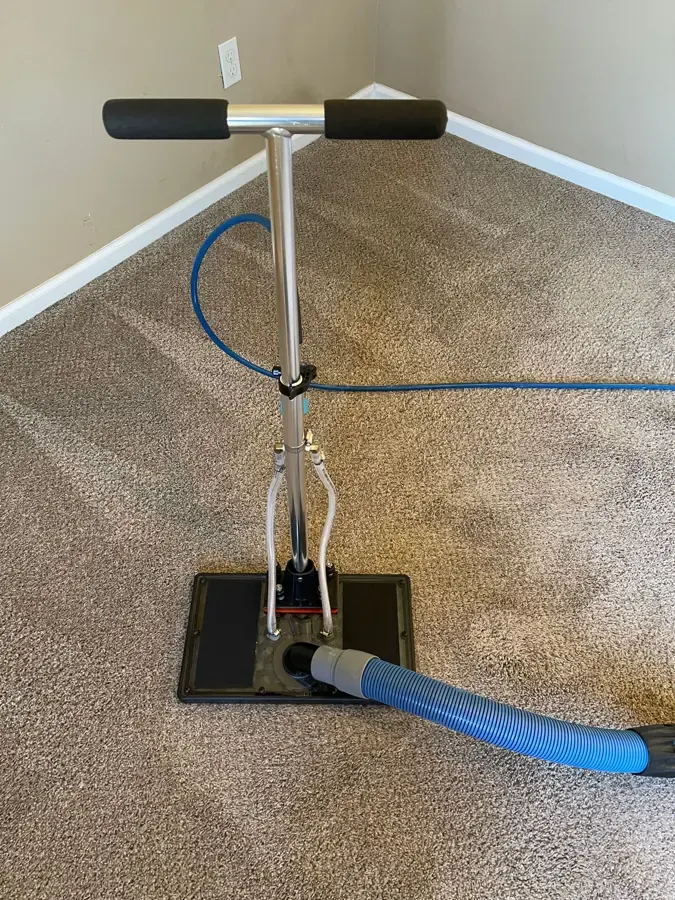
A wet floor in Wheat Ridge is a race against the clock, and the first move is always the same: find the shutoff and stop new water. Whatever is already on the floor then has to leave as liquid, because dehumidifiers are slow at moving it.
First steps for water extraction and removal in Wheat Ridge
- 1
Shut the water off
Turn the main valve or the fixture stop, whichever is quickest to reach.
- 2
Mind the power
Leave wet rooms alone if outlets or the panel are damp; switch off only from a dry spot.
- 3
Record the water
Photograph the depth and the wet areas before anything gets moved.
- 4
Clear the floor
Lift rugs, electronics and boxes onto dry surfaces, then call for extraction.
What does water extraction and removal cost in Wheat Ridge, CO?
Water extraction in Wheat Ridge, CO typically runs $500 to $6,000, depending on the wet square footage, the water depth, the water category and whether a lower level needs pumping first.
One room, clean water
- Truck-mounted extraction
- Pad pressed out
- Quick moisture check
Several rooms or a level
- Pad removed as needed
- Water pulled from baseboards
- Moisture map
Lower level with standing water
- Pump-out first
- Finished areas extracted
- Category 3 handling
Ranges are typical, not a quote: category of water, square footage, material class and how fast drying started move the number most. Run the water damage cost calculator for a closer range.
How water extraction and removal is handled in Wheat Ridge
The tech who does the walkthrough maps moisture before any equipment goes down, so the drying plan matches what is actually wet. Equipment stays until the readings say dry, not until it looks dry.
Map the moisture
Meters and a thermal camera trace water beyond what the eye sees.
Pump, then extract
Standing water goes first, then carpet and hard floors get weighted tools.
Place the equipment
Air movers and LGR dehumidifiers are sized to the class of loss.
Log the readings
Equipment stays until the materials match a dry reference.
Why liquid water leaves first
Evaporation does the work in drying, and it is slow compared with extraction. A saturated carpet and pad can hold a surprising amount, and in a typical 1960s Wheat Ridge house that water keeps traveling toward the lowest level. Clay-heavy Front Range soil around a foundation can also stay damp for a long time, so lower floors benefit from a fast start.
- Truck-mounted units with long hoses reach through the house from the street.
- Weighted tools press water out of the pad, not only the carpet face.
- Portable extractors and submersible pumps handle lower levels where hoses cannot reach.
What the crew maps before it pulls water
The walkthrough uses moisture meters and a thermal camera to follow the water past the visible edge, behind baseboards and into the ceiling below. That map decides where extraction ends and structural drying begins.
- Where the water started and which category it falls into.
- How far it wicked under walls and down to the next level.
- Whether the pad can stay or has to be cut out.
When pulling water is only the first step
Creek water, storm runoff or sewage makes the water Category 3, and porous materials leave the house instead of drying in place. See sewage backup cleanup and basement flooding cleanup for those cases, or try the cost calculator for a rough number.
Water extraction and removal across Wheat Ridge and nearby towns
The Wheat Ridge extraction crew covers ZIP 80033, 80034 and 80214, from Bel Aire and Clearvale to Hillcrest Heights, and works along the 38th Avenue and Wadsworth Boulevard corridors.
The same service nearby: water extraction and removal in Golden, Edgewater, Arvada.
Water damage restoration in Wheat Ridge · every town covered
Related water damage services in Wheat Ridge
Water Extraction and Removal questions in Wheat Ridge, CO
How soon does standing water need to come out?
As fast as possible. Water wicks up drywall and into the subfloor within hours, and wet materials left for a day or two lose their chance of being saved.
Will the carpet survive extraction?
Clean water caught early often leaves the carpet salvageable. The pad usually goes, since it holds water like a sponge. Carpet touched by sewage or creek water is removed.
Is a wet vac enough?
A wet vac skims the surface and leaves most of the water in the pad and subfloor. Truck-mounted units and weighted tools pull far more, which shortens the dry-out.
Does Front Range clay matter for a wet basement?
The Colorado Geological Survey calls swelling clay the state's most significant geologic hazard along the Front Range. Damp soil around a foundation can slow drying in lower levels.
What comes after the water is out?
Air movers and LGR dehumidifiers dry the structure, and the drying team records readings every day until walls and floors match a dry reference in the same house.
Does insurance cover extraction?
A sudden, accidental cause such as a burst pipe usually brings extraction into the claim. Rising creek water often needs a flood policy. Check with your own insurer.
Wet floor in Wheat Ridge? Get the water out.
Water keeps soaking into pad, drywall and the floor below for as long as it sits. The extraction crew goes after the worst of it first.
(888) 532-8620Wheat Ridge extraction crew, 24/7- Dispatch around the clock
- IICRC S500 drying standard
- Moisture logs for the claim file
- Find us on Google